Work

Development fragments.

Selected visual notes from the current shape of The Hollow Between.
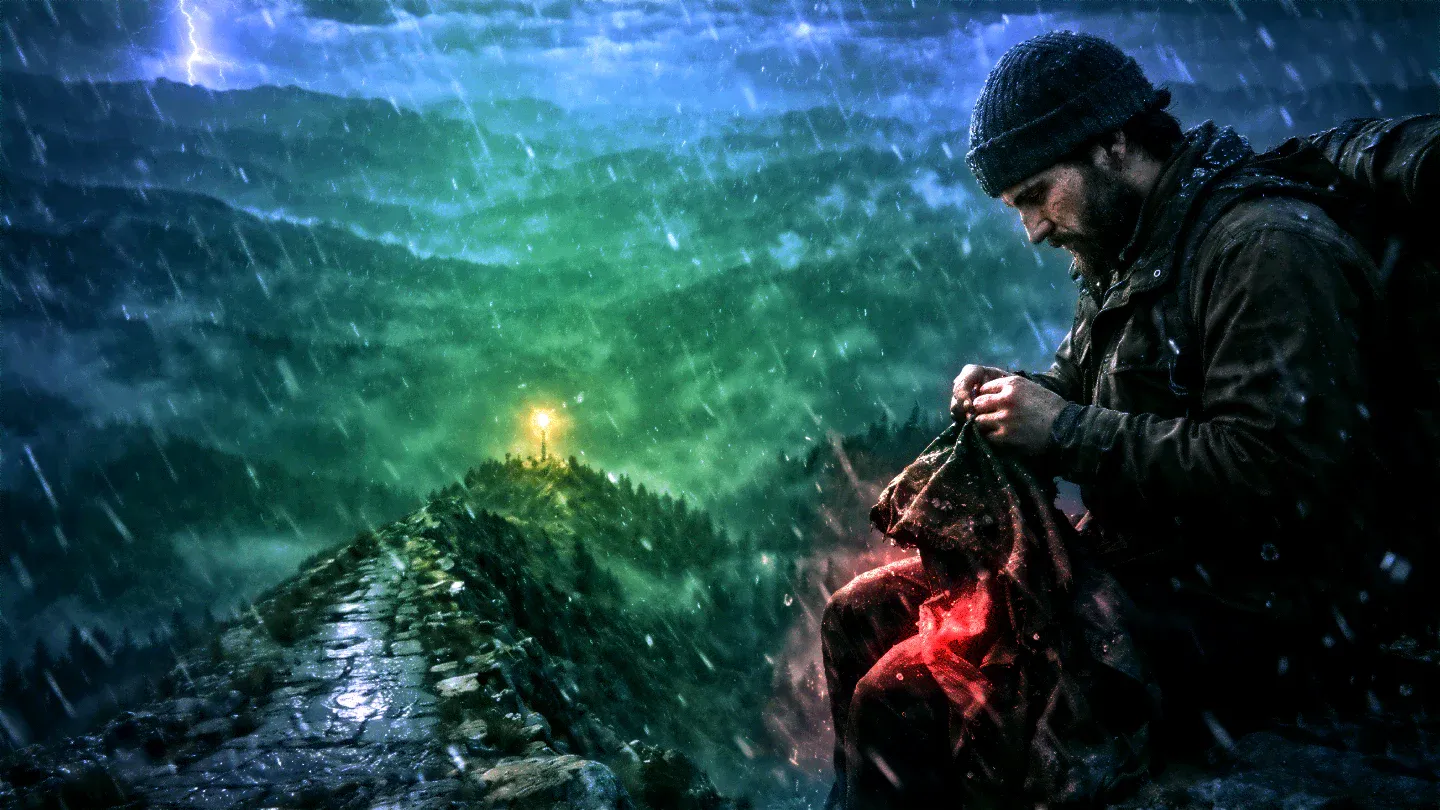
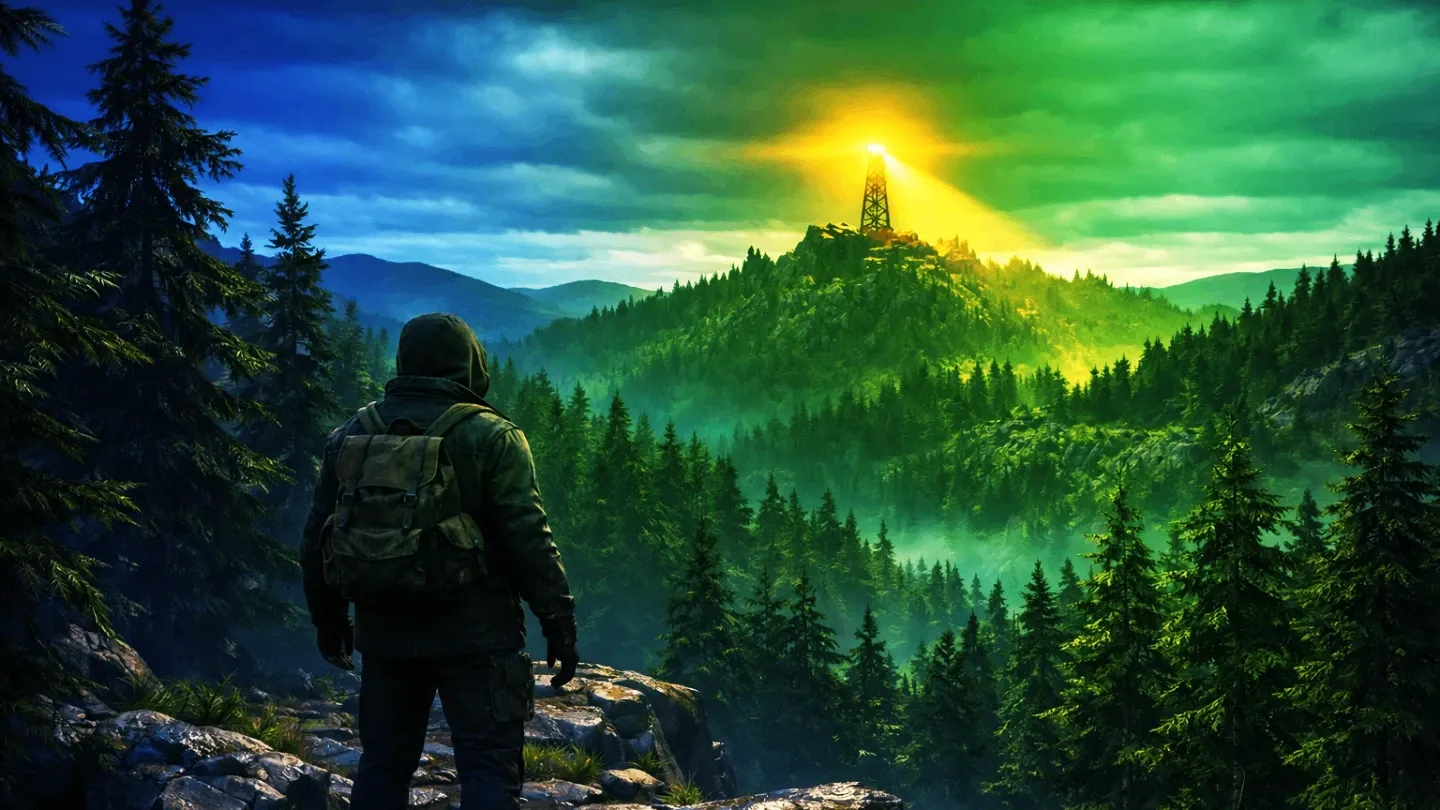
Ridge approach with a lone courier under muted teal evening light.
Environment Ridge Approach
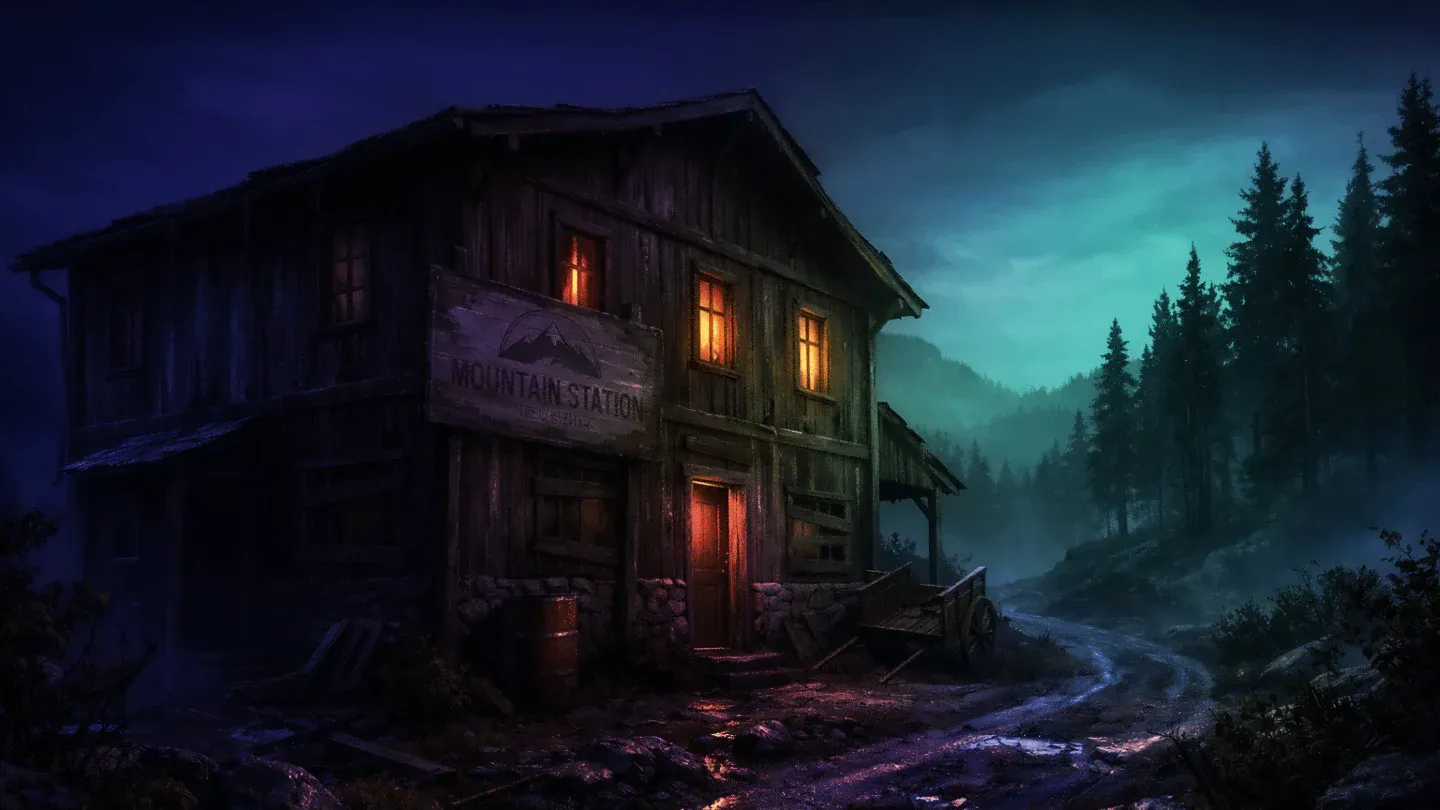
Exterior station beside a dark forest ridge at dusk.
Environment Station Exterior
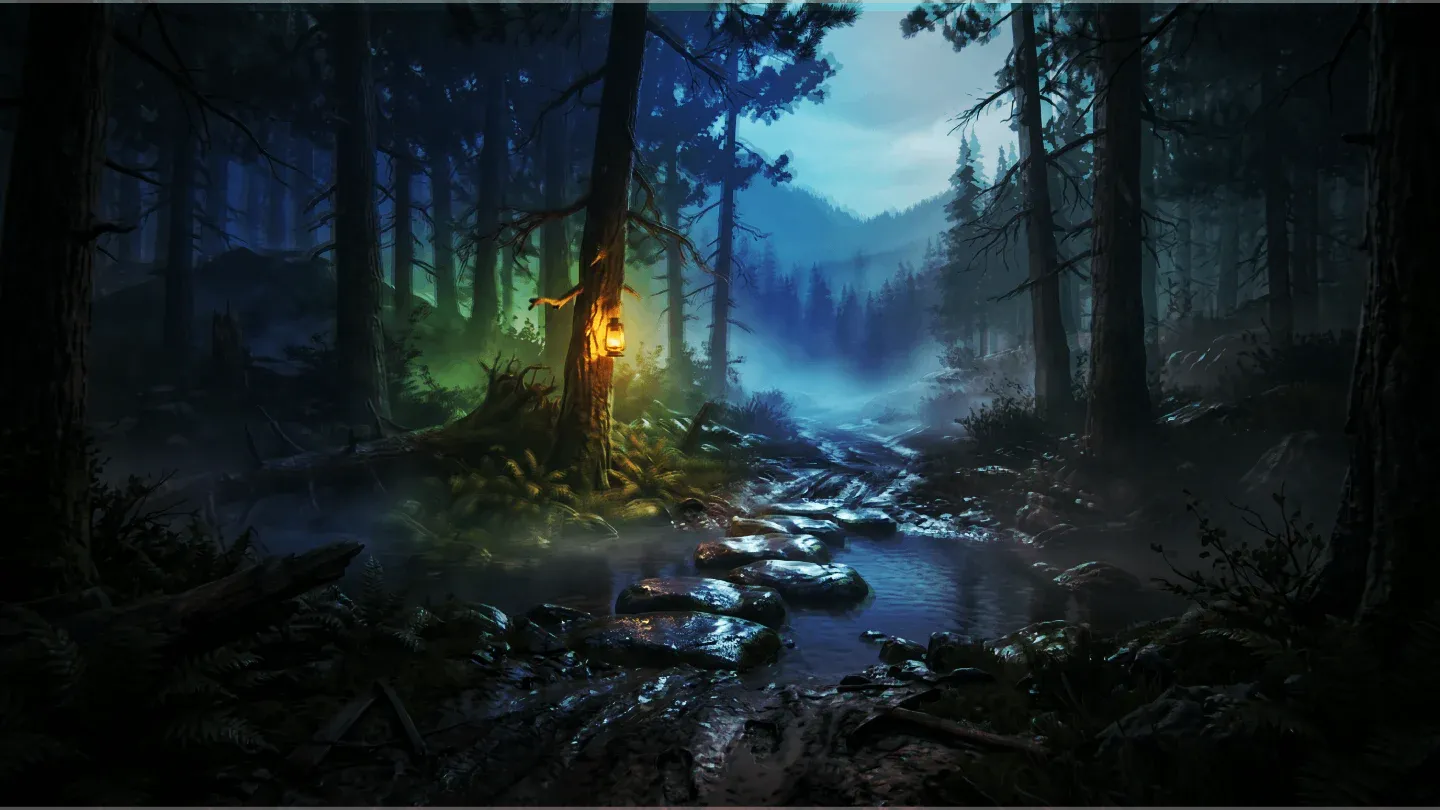
Forest crossing with wet stones and low teal fog.
Exploration Forest Crossing
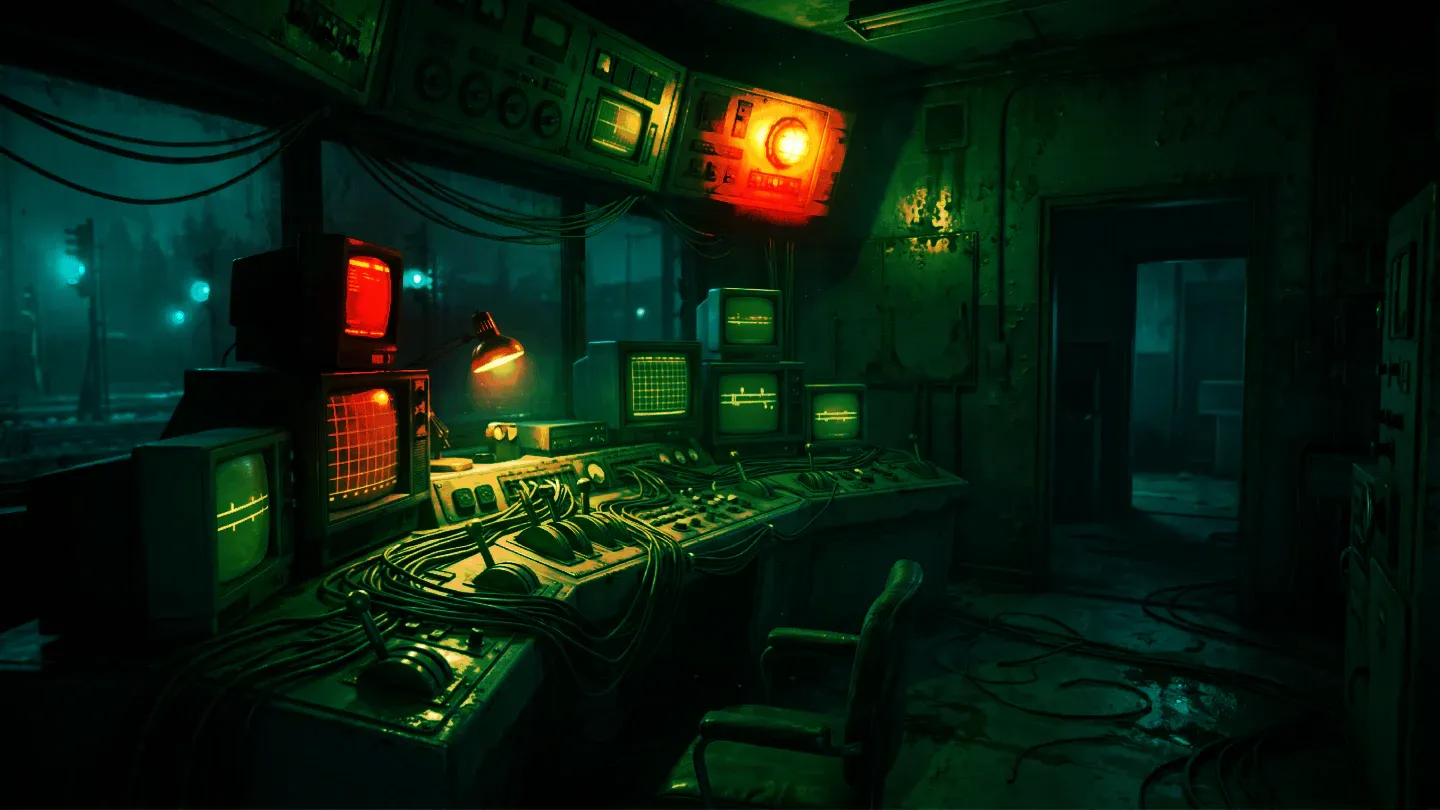
Signal room lit by amber machinery and old monitors.
Interior Signal Room
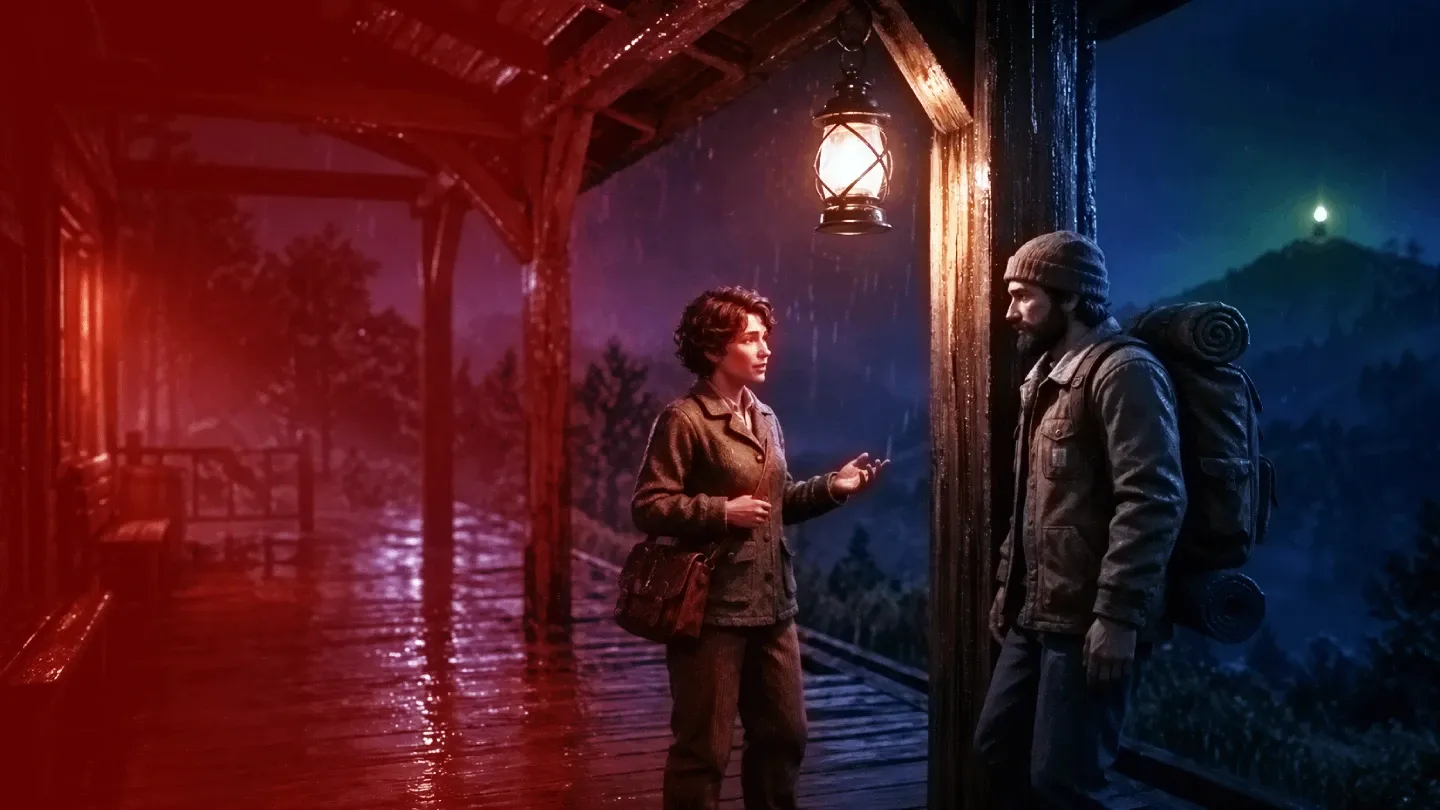
Quiet dialogue scene at a rain-dark station platform.
Narrative pass Quiet Dialogue
Interior archive with warm light cutting through suspended dust.
Lighting Archive Light
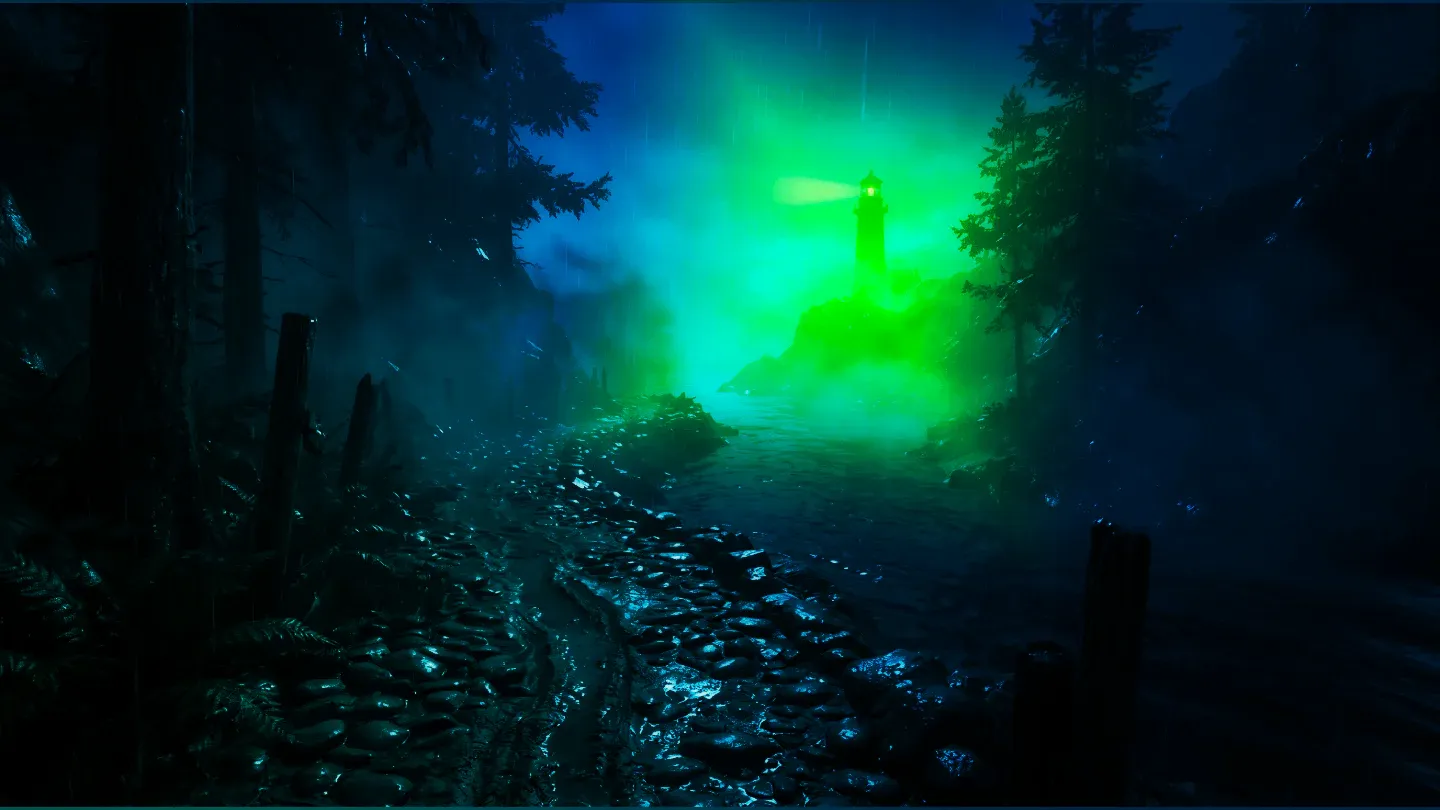
River path under rain with a distant tower silhouette.
Exploration River Path
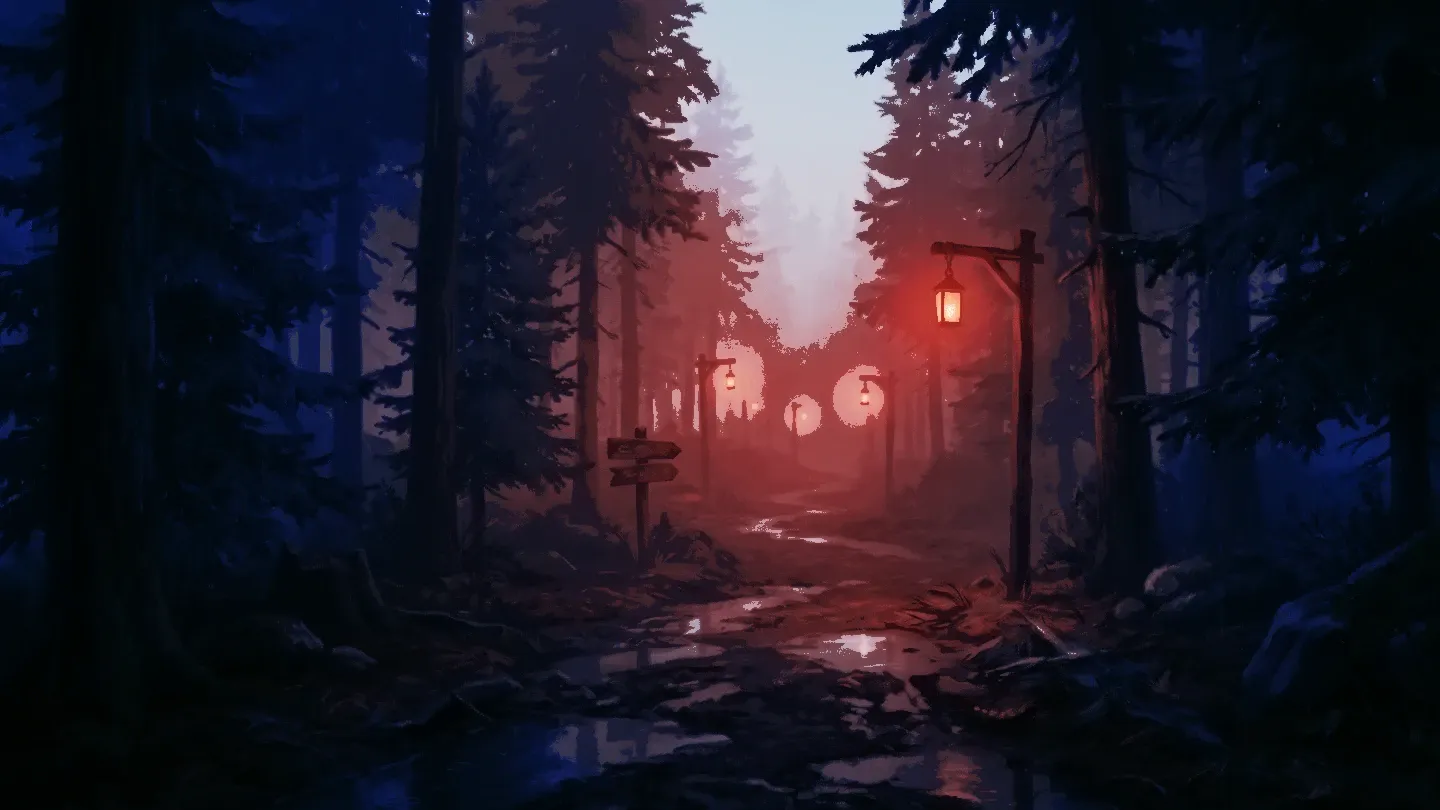
Rain path winding through the hollow forest toward distant lamps.
Environment Rain Path
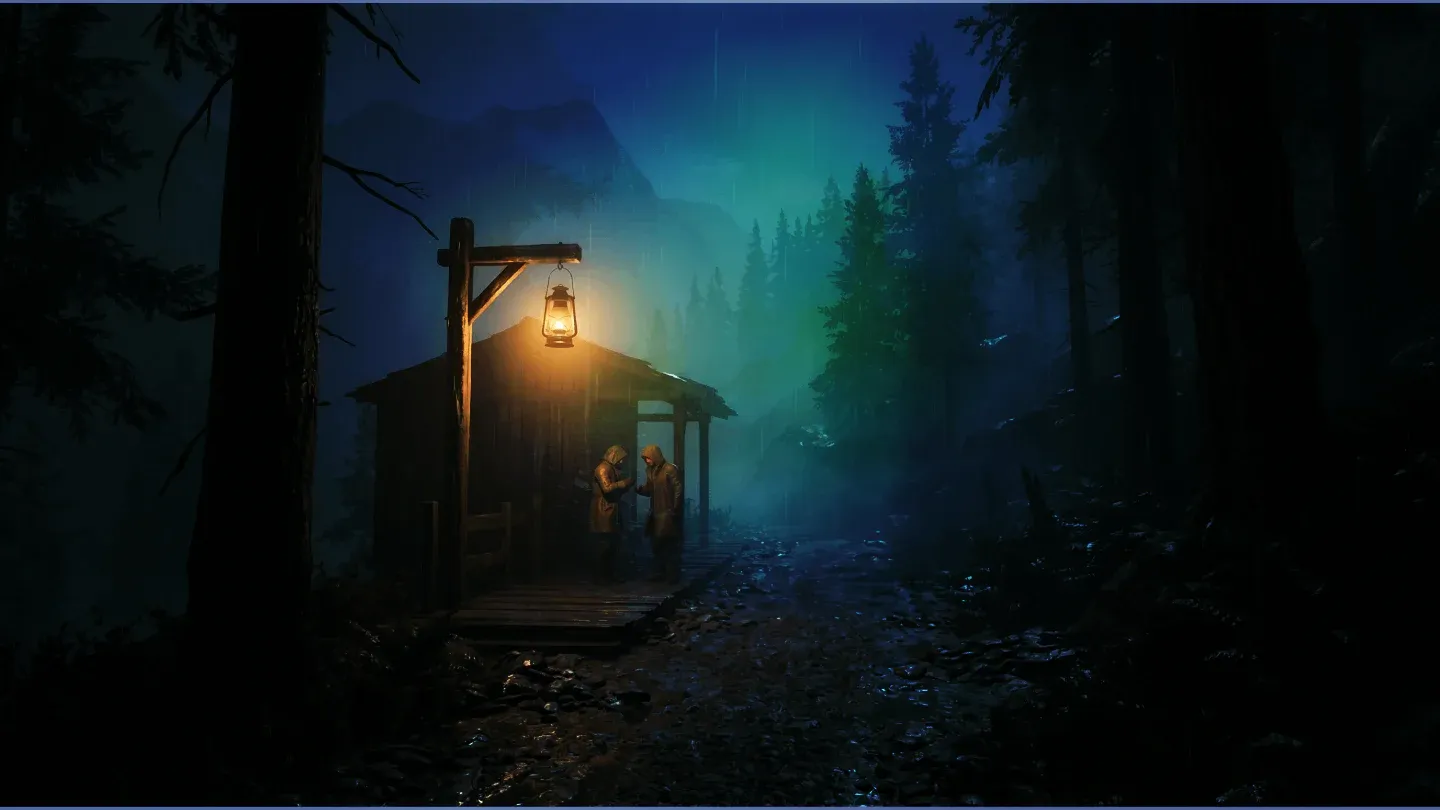
Night dialogue between two figures near a station lantern.
Narrative pass Night Dialogue
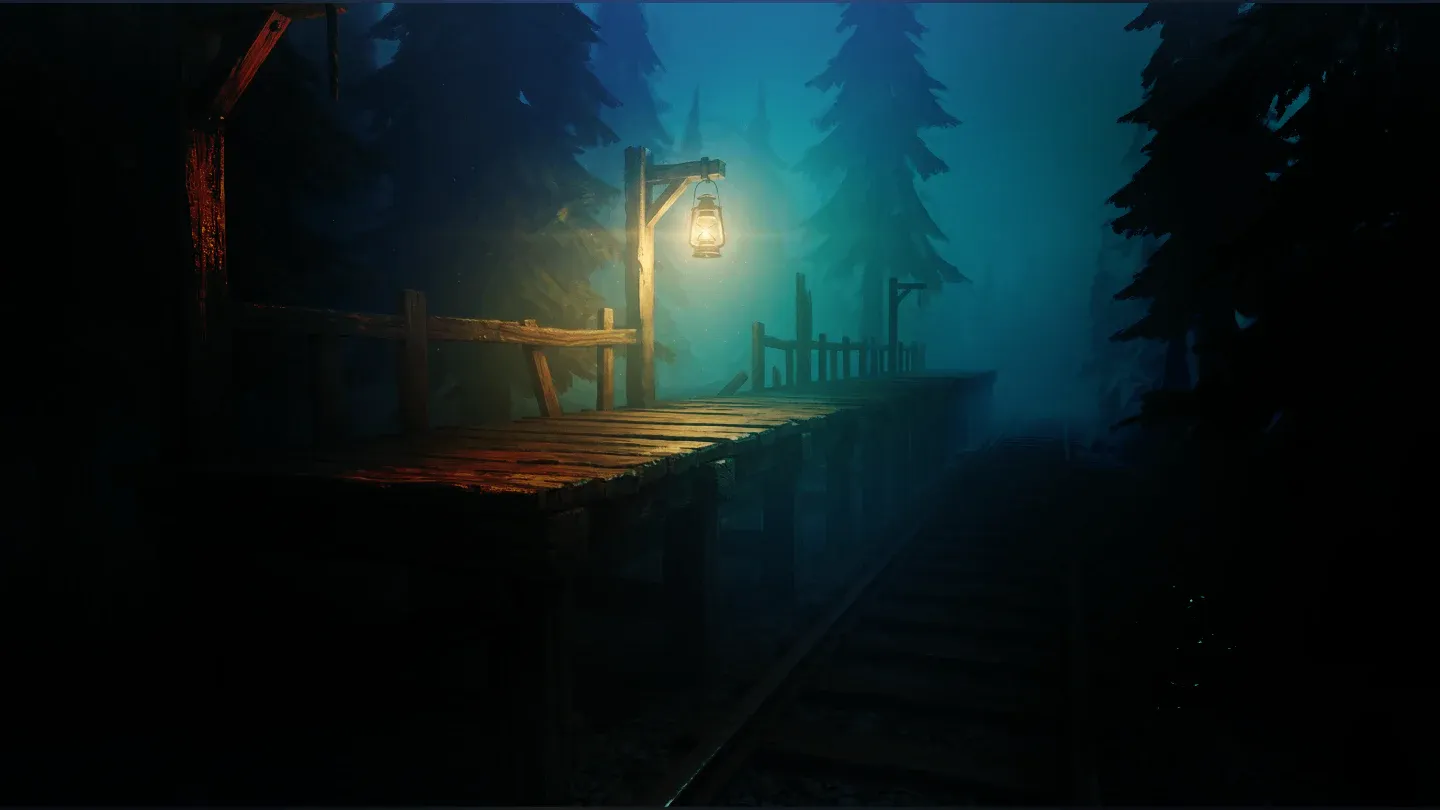
Old platform disappearing into mist and pine shadows.
Environment Old Platform

Process

How the work finds its edges.

We begin with a feeling that can survive being tested. A place, a line of dialogue, or a small mechanical pressure has to point toward the same center before it becomes part of the build.

Visual development stays close to writing. If a station looks abandoned, we ask who left it that way, what the room still wants, and how the player can read that without being told.

Systems are added only when they make the world more legible. We would rather tune one route until it carries consequence than add ten routes that only increase the map.

The result is a slow loop: sketch, build, play, remove, and listen again. The hollow gets clearer when the extra noise leaves.